Pump Clip Archaeology: The Local Stories Buried in British Beer Names
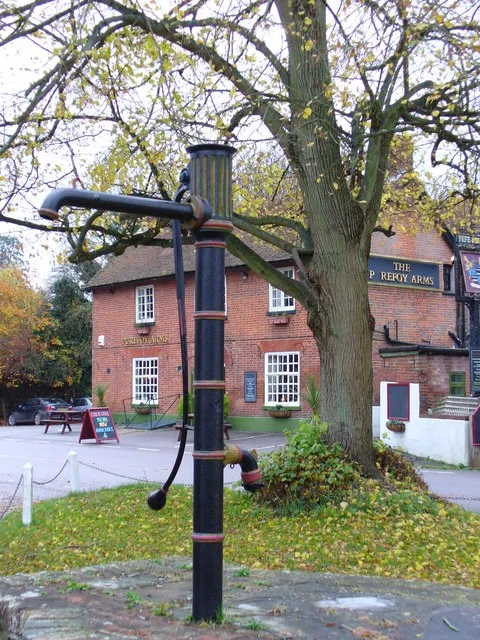
Photo: Colin Smith, CC BY-SA 2.0, via Wikimedia Commons
A beer name is often the first thing we read and the last thing we understand. We order a pint of something called The 14 or Grey Lady's Half and assume it is just a bit of branding. Then someone at the bar says, 'That was my bus to school,' or 'That was the ghost in the old pub on the corner,' and suddenly the pump clip is doing something else entirely. It is holding a piece of local memory.
When a bus route becomes a beer
Kellet & Croft, a small brewery in Lancaster, makes a pale ale called The 14. On the clip it looks like a route number. In the taproom it is a conversation starter. The 14 was a bus service that used to run through the city and out towards the coast, connecting estates, schools and a few pubs that have since closed. It was cancelled years ago, but people still talk about it the way people talk about lost local landmarks.
The beer is deliberately unflashy: 4.2%, pale, with a dry finish. Tasting notes: lemon peel and white bread on the nose, a clean cracker malt base, and a bitterness that builds slowly rather than shouting. It is the kind of pint you could drink two of without thinking, which is probably the point. The name does the rest. 'It is not nostalgia for a bus,' the brewer told me. 'It is nostalgia for being able to get somewhere without a car.'
The ghost in the fermenting room
Rookery Brewing in Sheffield has a dark mild called Grey Lady's Half. The name comes from a pub that stood nearby until the 1980s, where a grey lady was said to haunt the upstairs rooms. The pub is gone, replaced by flats, but the story survives in the brewery because one of the founders grew up hearing it from a grandparent.
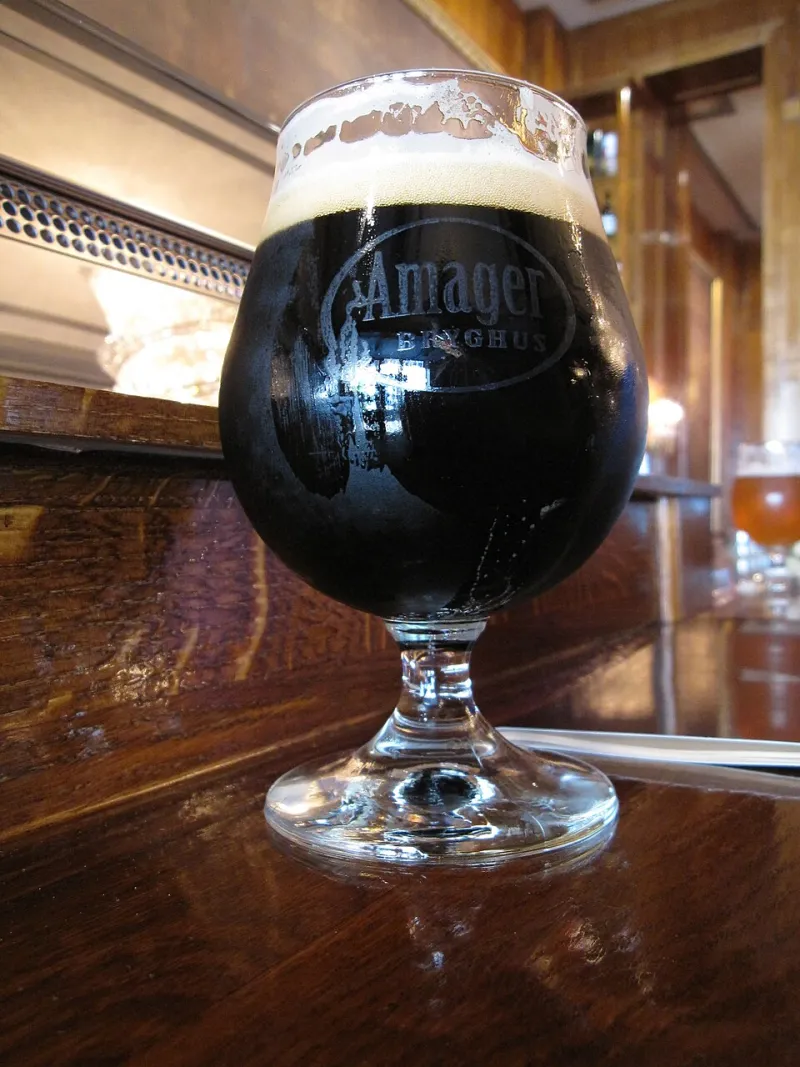
The beer is a proper mild: 3.6%, deep brown, soft and low on hops. Tasting notes: hazelnut, cocoa nib, a touch of dried fruit, and a finish that is more about texture than bitterness. It is not a ghost story in a glass, thankfully. It is just a very good mild with a name that makes people ask questions. 'We could have called it Midnight Porter or something,' the brewer said. 'But then it would just be another dark beer. This way it belongs to a street.'
Grandad's nickname on a pump clip
Marsh Lane Ales in Norwich has a best bitter called Ned's Whistle. Ned was the brewer's grandad, a man who apparently whistled constantly and was known for it locally. The name is not a grand statement about heritage. It is a family joke that got out of hand, which is often how the best beer names happen.
The beer is 4.3%, copper-coloured, with a classic British hop profile. Tasting notes: marmalade, earthy hop resin, a little toffee, and a dry, lingering bitter finish. It is the sort of pint that makes sense with a Sunday roast or a packet of salt and vinegar crisps on a Tuesday. The clip has a small drawing of a whistling man on it. Nobody outside Norfolk would get it. That is fine. The regulars do.
Council-estate landmarks and other anchors
Beacon Brew Co in Bristol makes a session IPA called Top of the Beacon. The beacon is not a romantic lighthouse. It is a lump of grass and concrete on a council estate where generations of kids have sledged, smoked, kissed and generally loitered. The brewery is a few streets away. The name is a postcode in disguise.
The beer is 4.5%, hazy, with a soft body. Tasting notes: mango, tangerine, a little resinous pine, and a finish that stays juicy without turning sweet. It is not trying to be a West Coast IPA or a New England one. It is trying to be a Bristol one, which is a different thing entirely. 'People from outside the estate think it is about a viewpoint,' the brewer said. 'It is about a specific patch of grass.'
Why these names matter
None of these beers need a backstory to sell. They are good beers with or without the lore. But the names do something that a generic 'Pale Ale' or 'Best Bitter' cannot: they anchor a beer to a place and a set of people. They make the pump clip a little archive of vanished routes, demolished pubs, family jokes and bits of grass that mean something to someone.
That is not a marketing trick, or at least not only a marketing trick. It is how local culture survives in small batches. A brewery can put a beer into the world and call it whatever it likes. The ones that last are often the ones that make someone at the bar say, 'I know that place.'
At Backlash, we have our own names and our own stories, some of which are probably only funny to us. That is the point. A beer name is not a label. It is a small act of remembering. And if it gets a few people talking at the bar, it has done its job.