Four Stars, No Memory: What a Beer Score Can't Tell You
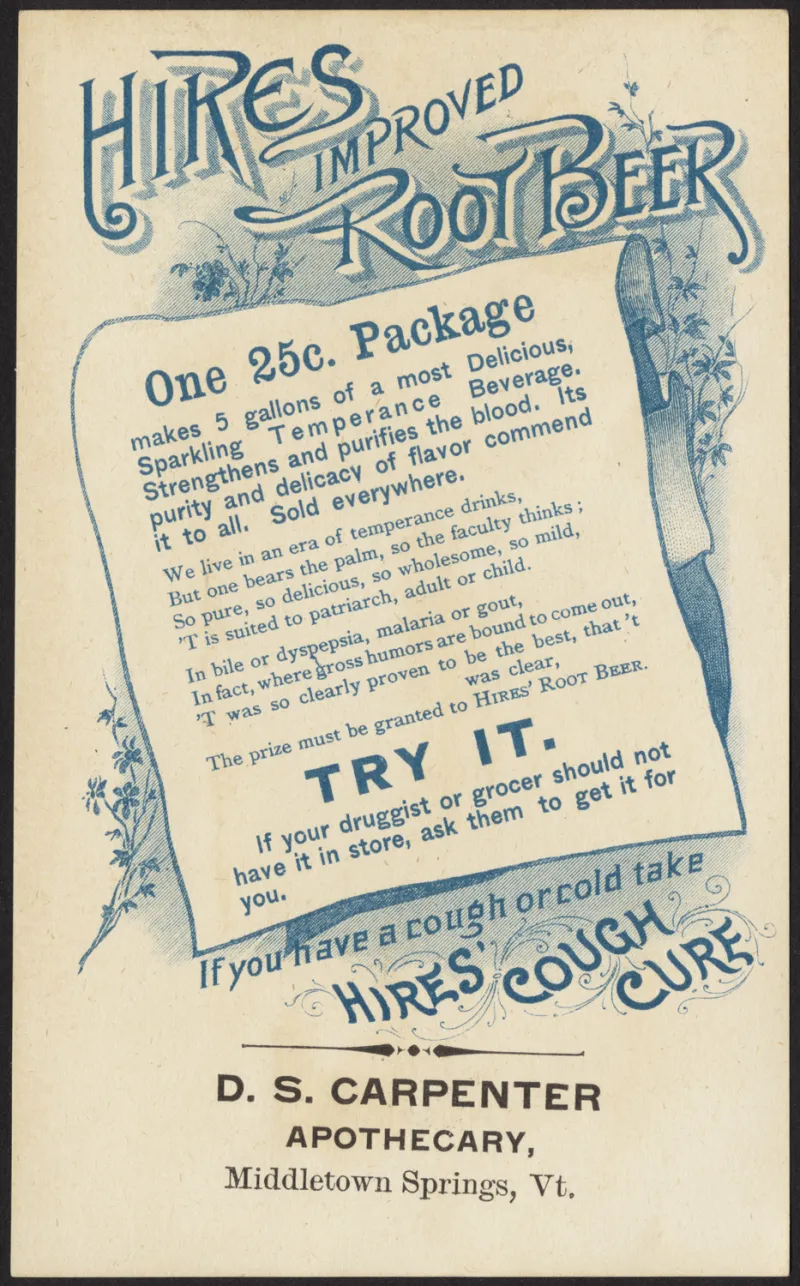
Photo: Boston Public Library, CC BY 2.0, via Wikimedia Commons
Open any beer app and you will find the same quiet arithmetic. A pint gets four stars, another gets three-point-seven, a third gets a number so precise it looks like a weather forecast. The score is meant to help. Sometimes it does. But more often than not, it flattens a very human experience into a tidy little figure, and then quietly asks breweries to aim at that figure rather than at character.
The tyranny of the tidy average
A numeric rating is a useful shortcut when you are standing in a bottle shop with no context and no time. Fair enough. But the average is a blunt instrument. It cannot tell you whether the beer was served too cold, whether the glass was dirty, whether the drinker was in a foul mood, or whether they had just eaten something that made a decent bitter taste like pennies. It cannot tell you whether the beer was exactly right for the moment or completely wrong for it.
Worse, the score travels. A brewer can spend months getting a yeast character just so, only to watch a single number become the public summary of all that work. I spoke to a brewer in West Yorkshire, Ruth, who put it neatly: 'You can make a beer with a point of view and someone will reduce it to three-point-eight. It is not malicious. It is just that the number is easier to post than the thought.'
That is the trap. Ratings are not evil, but they are seductive. They make comparison feel scientific. They turn drinking into a league table, and league tables always reward the same things: familiarity, broad appeal, a lack of edges. None of those are bad in themselves. They are just not the whole story.
What a tasting note catches that a number cannot
A proper tasting note does something a score cannot: it gives you a way back into the glass. 'Lemon peel, dry cracker, a bitter finish that hangs about' tells you more about a pale ale than 'four stars' ever will. 'Burnt sugar, damp leaves, a whisper of smoke' tells you whether you are in the mood for a porter or whether you should open something else entirely.
Tasting notes are also honest about context. They can say the beer was better on cask than in bottle. They can say it needed ten minutes to open up. They can say it was drunk in a taproom with the doors open and a dog asleep under the table, and that this mattered. That is not sentimental fluff. It is information.
Callum, a taproom regular in Bristol, told me he stopped leaving scores because he found himself rating beers against each other rather than actually drinking them. 'I would finish a pint and realise I had spent half of it thinking about what number to give it,' he said. 'That is not why I go to the pub.'
The brewery floor does not lie
Brewers know this. They see it in the way people talk at the bar. A beer can have a mediocre average online and still be the one that gets emptied first at a festival, because the people in front of it are not thinking about averages. They are thinking about whether they want another half.
At Backlash, we are not anti-data. Brewing is full of measurements, and good breweries live by them. But there is a difference between using numbers to understand a beer and using numbers to rank it. One is craft. The other is marketing with a calculator.
The more breweries chase scores, the more likely they are to sand down the strange bits. The funky saison becomes a little cleaner. The dark mild gets a touch more sweetness. The bitter loses some of its bite. None of these changes are dramatic on their own, but together they nudge a beer towards the middle, where the scores are safe and the memories are thin.
Keep the conversation, lose the leaderboard
What if we treated the rating as the least interesting part of the app? What if the note came first? Not a performance of expertise, just a few words: what it smelled like, how it tasted, what you would drink it with, whether you would order it again. That would tell a brewer more than a star average ever could. It would also tell a drinker more.
The score is not the enemy. The score is just the easy bit. It is the bit that fits in a thumbnail and asks nothing of us. The tasting note asks a little more. It asks you to pay attention, to use your words, to remember that a pint is not a product review. It is a moment.
So next time you open a beer, try this: put the number away. Write down three things you actually noticed. Then see whether the beer stays with you longer than the score would have. My bet is it will.