Cask Ale Isn't a Museum Piece — It's the Living Pint We Keep Choosing

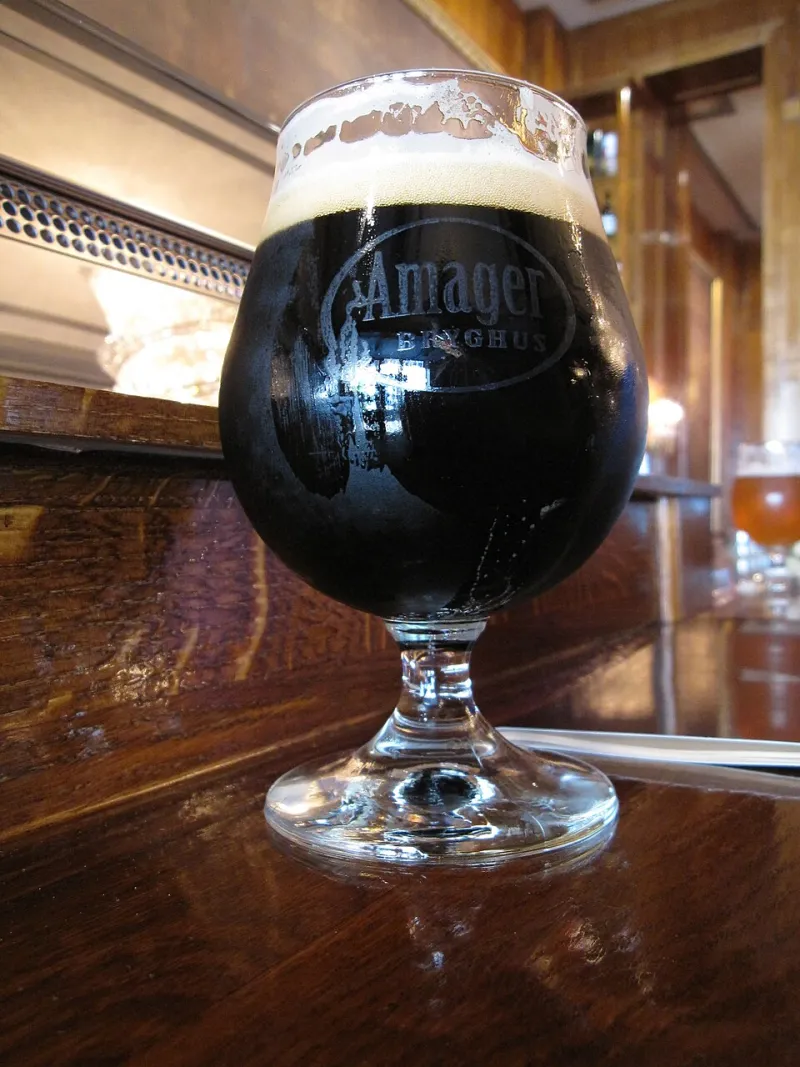
Photo: Mike Faherty, CC BY-SA 2.0, via Wikimedia Commons
Every few months, someone announces that cask ale is finished. It is a familiar line: cask is warm, flat, old-fashioned, a drink for people who still own a landline. At Backlash, we brew in small batches, so we have a dog in this fight. But you do not need to be a brewer to see the flaw in the argument. A firkin is not a museum exhibit. It is a nine-gallon cask of live beer, and when it is handled well it is one of the most distinctive drinks this country makes.
The myth of the museum pint
The problem with cask is rarely the beer. It is the handling. Serve any beer at the wrong temperature, through dirty lines, from a cask that has been open too long, and it will taste tired. Do the same to a keg beer and you will get a different kind of bad pint, but bad all the same. Cask just shows its age more honestly. That honesty is the point. Cask is beer that is still changing in the cellar. It has a short window, and that window is where the magic lives.
The 'warm and flat' cliché is also wide of the mark. A properly kept cask ale should be cool — somewhere around 11–13°C — with a soft, natural condition rather than no condition at all. It should have aroma. It should have life. If it tastes like a wet cardigan, that is not a style; it is a cellar problem.
Why cask still earns its place in 2026
Modern bars are rightly obsessed with provenance, freshness and low-intervention production. Cask fits that brief better than most. It is naturally conditioned, it does not need extra gas to serve, and it rewards local brewing and short journeys. It also gives drinkers something keg cannot: a pint that is tied to a moment. The first pint from a freshly tapped cask, the last pint before the pub closes, the beer that is slightly different on Tuesday than it was on Friday — that is not inconsistency for its own sake. It is living beer.
Cask also keeps the pub at the centre of the story. You cannot recreate a well-kept pint at home in quite the same way. The pub cellar, the publican's judgement, the rhythm of turnover: these are part of the drink. In a market full of heavily branded, gas-served products, that is a genuine point of difference.
Three fresh cask styles to seek out
A dry, hop-forward best bitter
Look for straw to amber in the glass, with floral and marmalade notes from British hops, a gentle earthy backbone and a clean, bitter finish. The best examples are not sweet or heavy. They are dry enough to make you want another mouthful, and fresh enough that the aroma has not faded into the carpet. This is the style that proves cask can be bright and modern without chasing novelty.
A dark mild
A good dark mild is one of Britain's quiet treasures. Expect ruby-black, cocoa, toasted nuts and a gentle roast, with a soft mouthfeel and restrained sweetness. The point is drinkability, not drama. At its best it is a low-strength beer with real depth, the sort of pint that makes a winter afternoon in a proper pub feel like a sensible plan.
A modern cask pale
Pale gold, citrus, tropical fruit and a little resin, with a crisp finish and lively condition. This is where cask meets the drinker who thinks they do not like cask. The trick is freshness. A cask pale that has sat on the bar for a week is a sad thing; one that has been tapped recently and looked after well is as bright as anything on the keg fonts.
How to find a properly looked-after pint in 2026
Start with turnover. A busy pub with a small, changing cask range is usually a better bet than a quiet bar with eight handles and no movement. Ask what is selling. Ask when the cask was tapped. There is no shame in asking for a half or a taste before committing to a pint.
Look for the basics: a cool cellar, clean lines, casks that have been vented and settled properly, and staff who seem interested in the beer. The Cask Marque sign is a useful starting point, not a guarantee. Sparklers are a matter of preference, not quality — ask for your pint without one if that is how you like it.
And trust your senses. If a pint smells of vinegar, wet cardboard or eggs, or tastes flat and tired, send it back. A good publican will not argue. Cask is not a charity case; it is a choice. In 2026, with so much excellent beer available, it should be a choice made on quality, not nostalgia.
That is the firkin truth. Cask does not need to be rescued from history. It needs to be kept well, served with confidence and given a place at the bar alongside everything else. When that happens, it is not a museum piece. It is the living pint we keep choosing.