Dark Beer Beyond Stout: Six UK Breweries Giving Porter, Mild and Brown Ale a New Hearing
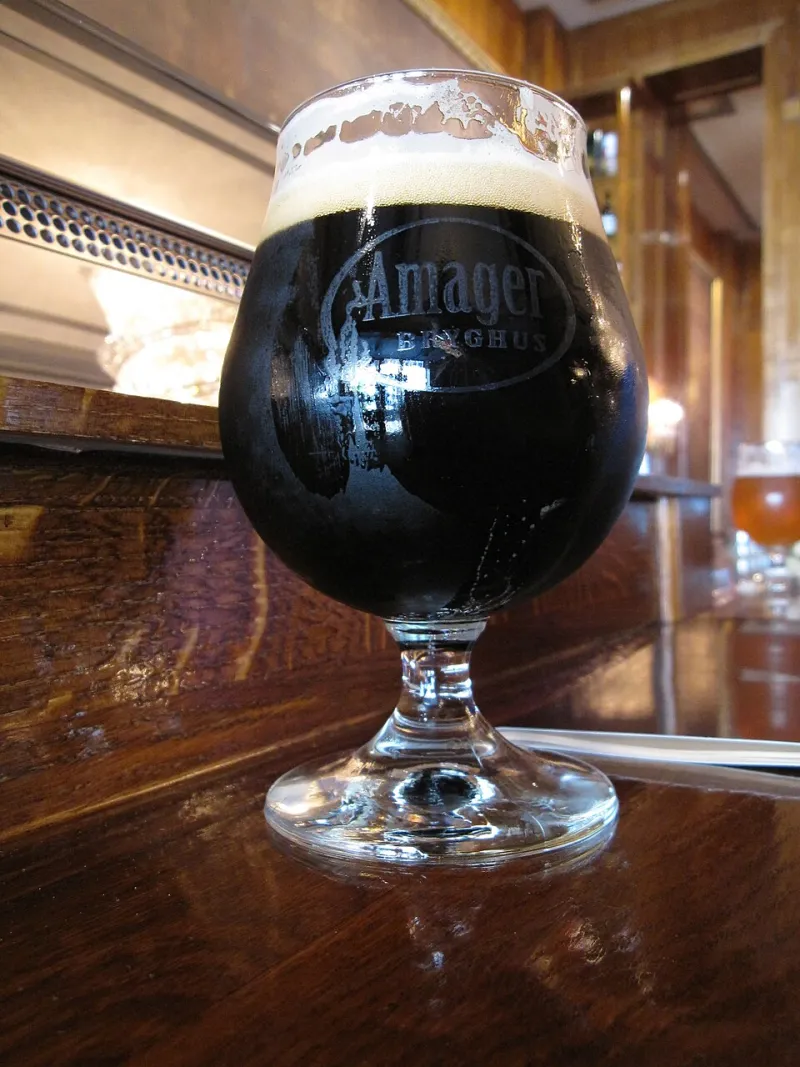
Photo: Bernt Rostad from Oslo, Norway, CC BY 2.0, via Wikimedia Commons
Stout has had the spotlight for years. Imperial stouts, pastry stouts, barrel-aged stouts: all fine beers, and all easy to talk about. But while the beer world has been busy arguing about dessert flavours and ever-bigger numbers, something quieter has been happening in the UK. Porter, brown ale and dark mild are being brewed with care again, not as nostalgia projects but as proper beer for people who want flavour without theatre.
Why dark beer is having a quiet moment
Part of it is a natural correction. Drinkers have spent a decade being offered bigger, sweeter and more heavily adjuncted dark beers, and many are now looking for restraint. A good porter does not need a dessert menu attached to it. A dark mild does not need to be 9% to be interesting. Brown ale, often treated as the least fashionable beer in Britain, has a quiet nutty, malty appeal that suits the way people actually drink in winter: a bottle shared at home, a pint in a warm pub, something that works with food rather than fighting it.
The other part is simply quality. Brewers are treating dark malts with more precision, using them for dryness, structure and aroma rather than just colour. The result is a spread of dark beers that feel modern without pretending to be new.
Six British breweries to watch
Anspach & Hobday, London
Anspach & Hobday have done more than most to make London porter feel current again. London Black is a dry, roasty porter with coffee and cocoa notes and a finish that stays clean rather than cloying. It is the sort of beer that makes sense on a modern bar list: dark, yes, but not heavy-handed.
Harviestoun, Alva
Old Engine Oil is the obvious reference point here, and it remains one of the UK's best-known porters for good reason. Rich, dark-chocolatey and slightly liquoricey, it has a smooth, almost oily texture that gives the style real weight without losing drinkability. Harviestoun have shown that a dark beer can be a modern classic without chasing trends.
Sarah Hughes, Sedgley
Sarah Hughes Dark Ruby Mild is a living link to the Black Country mild tradition, but it is not a museum piece. Expect ruby tones, plum, toasted nuts and a gentle roast, all wrapped around a soft, easy body. It is the kind of beer that reminds you dark mild was never a lesser style; it was just allowed to become unfashionable for a while.
Moorhouse's, Burnley
Moorhouse's Black Cat is a Lancashire mild with a soft chocolate edge, a little dried fruit and a gentle, earthy finish. It is not trying to be a stout in disguise. It is a mild, and it is all the better for it: low in friction, high in comfort, and proof that dark beer does not have to be a challenge.
Samuel Smith, Tadcaster
Samuel Smith's Taddy Porter and Nut Brown Ale are old-school in the best sense. The porter brings brown malt, dried fruit and a dry, earthy finish; the brown ale is nutty and malt-led without being sweet. These are not new beers, but they are exactly the sort of bottles that make the case for dark beer as a everyday pleasure rather than an occasional stunt.
The Kernel, London
The Kernel's dark releases are not always the easiest to track down, but they are worth the effort. Their porters and darker beers tend to be dry, robust and bitter-edged, with roast character that feels precise rather than muddy. If you see one on a bottle list this winter, take the hint.
Three bottles to try this winter
Anspach & Hobday London Black
A dry, session-friendly porter with cocoa, coffee and a clean roasted finish. Serve it cellar-cool rather than ice-cold and it opens up nicely. Good with a roast, better with a plate of oysters if you are feeling fancy.
Harviestoun Old Engine Oil
Dark chocolate, treacle, liquorice and a smooth, almost velvety body. This is a winter bottle to share slowly, ideally after dinner. It has enough richness to feel like a treat without tipping into heaviness.
Sarah Hughes Dark Ruby Mild
Ruby-black, plum, toasted nuts and a gentle roast. It is softer and more restrained than the porters above, which is exactly the point. A bottle of this on a cold evening is a reminder that dark beer is not a dare. It is a broad family, and mild deserves its seat at the table.
Dark beer does not need to shout to be exciting. In 2026, the most interesting work in British brewing is often happening in the quieter corners: porters with restraint, milds with depth, brown ales with a sense of place. Move past the obvious. The dark stuff is worth your time.