The Argument Is the Recipe: Five UK Beer Collaborations Born from a Proper Row
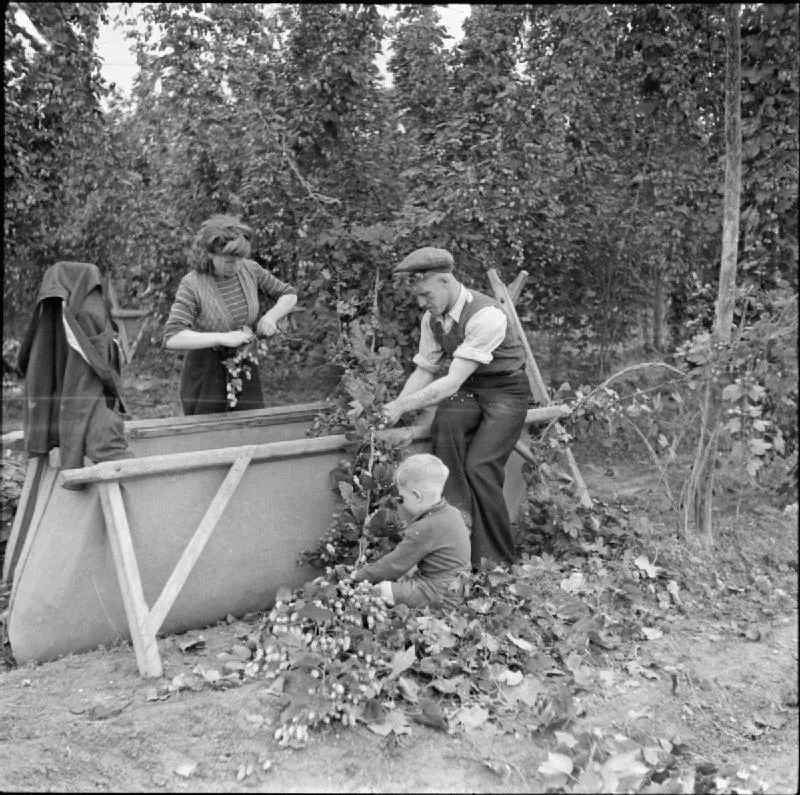
Photo: Whispyhistory, CC0, via Wikimedia Commons
Craft beer has a habit of telling collaboration stories as if they were group hugs: two logos on a pump clip, a shared brew day, a few photos of people in aprons, everyone smiling. That is lovely. It is also not the whole truth. Some of the most interesting small-batch British beers begin with a proper disagreement, about malt, money, territory or who gets to keep the yeast. The argument does not have to be ugly. But it does have to be real.
Here at Backlash Brewery we have a soft spot for a bit of friction. Harmony is fine. Friction is where the interesting decisions get made. So here are five UK collaborations that started as rows, and the pints that came out the other side.
The malt bill standoff: Northgate and Rook & Reed
Northgate Brew Co. in Leeds and Rook & Reed in Sheffield had brewed together twice before. The third time, they fell out over a porter. Northgate wanted brown malt and a dry finish. Rook & Reed wanted dark crystal and a sweeter, plumper pint. The emails got terse. The brew day got booked anyway.
What emerged was Two Sides of the Moor, a 5.2% porter fermented as two separate worts and blended at conditioning. Tasting notes: burnt toast, cocoa nib, dried cherry, a peppery hop finish that stops it turning into pudding. The row is still unresolved. The beer is better for it.
The pricing punch-up: Harbour Tap and Fenwick Brewing
A Bristol publican and a brewery argued for weeks about the price of a keg. The publican wanted a £5 pint on the bar. The brewer said the numbers did not work at that price without cutting the grist. The compromise was a 4.1% pale ale called House Compromise, brewed with a cheaper base malt, a higher-attenuation yeast and a generous late hop of Ernest and Harlequin.
Tasting notes: lemon zest, gooseberry, digestive biscuit, clean bitter finish. It is not the brewery's most exciting beer. It is one of its most honest: a pint designed around a price, not the other way round.
The turf war: Dockside and Marsh Lane
In Norwich, two breweries spent a year arguing about who had the right to supply a riverside pub that sat, awkwardly, between their delivery routes. The row was about territory, but it turned into a beer. Boundary Dispute is a 4.6% best bitter brewed with two hop schedules, one earthy and English, one brighter and New World, because neither brewer would give up their preferred hop.
Tasting notes: marmalade, hedgerow, a peppery finish, and a bitterness that builds rather than shouts. The pub now lists both breweries. The beer is still a one-off.
The yeast custody battle: Pilot Light and Cinder
Two Manchester breweries split from a shared brewhouse and then discovered they both thought they owned the house yeast. The argument was not academic. The strain was the character of both breweries. The solution was Split Culture, a 4.8% saison fermented in two vessels with two different yeast blends and blended at the end.
Tasting notes: clove, lemon pith, white pepper, a dry, snappy finish. It tastes like two people refusing to back down, and then finding a third flavour neither had planned.
The pump clip clash: Kerb and Loom
A Glasgow brewery sent a solicitor's letter over a pump clip. The other brewery said it was a coincidence. The first said it was not. Before it went further, someone suggested brewing a beer together and donating the proceeds to a local food bank. Cease & Desist is a 6.0% IPA with a firm, old-school bitterness and a generous dry hop of Citra and Simcoe.
Tasting notes: mango, resin, grapefruit peel, a long bitter finish. The legal letters stopped. The beer did not.
Why friction makes better beer
A collaboration with no disagreement can drift into compromise. Everyone gives a little, and the beer ends up with no strong opinion about anything. A real row forces decisions. It exposes what each brewer actually cares about: the malt, the hop, the price, the pub, the yeast. You cannot design by committee if one person thinks the beer should finish dry and the other thinks it should finish sweet. You have to choose.
That is the useful thing about a grudge beer. It is not a marketing exercise. It is a record of two people having to solve a problem in public. The resulting pint often has more edge, more clarity and more story than a beer brewed by people who agreed on everything before they started.
How to drink a grudge
Look for the one-off collaborations on the bar. Ask what the argument was about. Ask who won. Ask whether the beer is a compromise or a split batch. The answer will usually tell you more about the pint than the tasting notes on the pump clip.
And if you see two brewers at the bar, still not quite agreeing, buy them a pint. They might be about to make something memorable.