Where the Fiver Goes: The Quiet Economics of a British Craft Pint in 2026
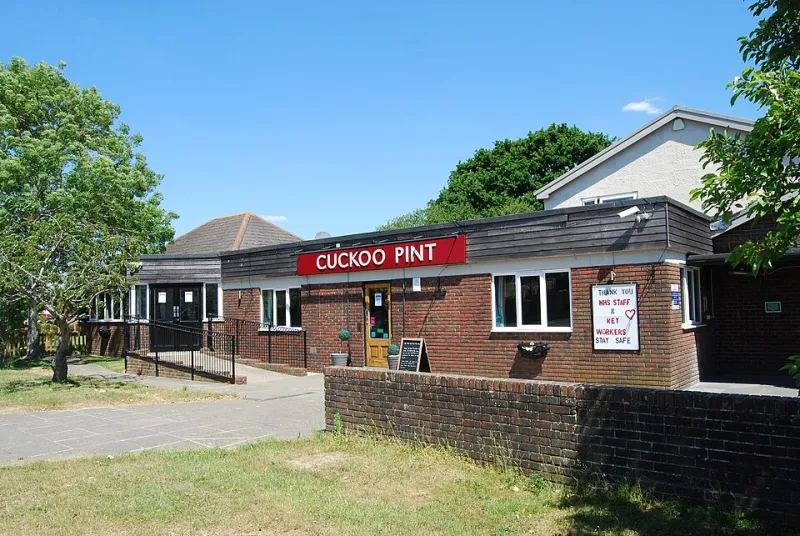
Photo: Barry Shimmon , CC BY-SA 2.0, via Wikimedia Commons
A £5 pint is now a standard unit of British outrage. In 2026, it is also a useful accounting exercise. We asked small brewers and publicans to talk through a typical 4.5% craft pale ale sold on keg at £5.00 a pint in a UK pub. The numbers below are rounded, illustrative and vary wildly by brewery, region and style. But they show why the argument 'craft is expensive' versus 'beer is cheap' misses the point.
We are a small brewery, so we have a horse in this race. But the aim is not to defend every £5 pint. It is to make the conversation more specific. A price is not a moral judgement. It is a set of choices, and drinkers deserve to see more of them.
First, the tax take
At £5.00 including VAT, the pub does not keep a fiver. VAT at 20% takes 83p, leaving £4.17. That is the net retail revenue. The brewer's invoice is separate, and it already includes beer duty. So do not deduct VAT and duty from the same pile twice.
Beer duty on a 4.5% draught pint is roughly 45p to 55p depending on reliefs. Small Producer Relief can reduce the bill for smaller breweries, and draught relief helps beer served in pubs, but neither makes duty disappear. For this example, call it 50p inside the wholesale price.
The brewer's £2.40
A typical small brewery might sell that keg to the pub at around £2.40 a pint, excluding VAT. Here is where that money goes.
| Cost line | Approximate pence per pint |
|---|---|
| Beer duty | 50p |
| Malt, hops, yeast and water treatment | 42p |
| Packaging, CO2, energy and quality checks | 50p |
| Brewery staff, rent, rates and distribution | 75p |
| Brewer margin | 23p |
| Total wholesale price | £2.40 |
That 23p margin is not a fortune. It is what is left after paying for the things that make the beer exist. It also explains why small brewers get twitchy when someone suggests they simply absorb another cost increase. There is not much fat to absorb.
The pub's £1.77
The pub receives £4.17 net of VAT and pays the brewer £2.40. That leaves £1.77 before the pub's own costs. It sounds like a lot until you remember what a pub pays for.
| Cost line | Approximate pence per pint |
|---|---|
| Pub staff | 70p |
| Rent, rates, energy and insurance | 60p |
| Glasswashing, waste, card fees and other costs | 20p |
| Pub profit | 27p |
| Total pub gross margin | £1.77 |
Again, these are averages, not laws. A busy wet-led pub with low rent will look different from a food-led pub with high staffing costs. A rural pub with high transport costs will look different again. But the broad shape is clear: the fiver is split between tax, production, distribution, premises and two thin margins.
What this means for value
A £5 pint is not automatically good value. A £3.50 pint is not automatically cheap. Value depends on what is in the glass, how it was made, who made it, and what the pub has to pay to keep the lights on. A beer brewed with expensive hops and handled well is not the same product as a beer brewed to hit a price point. Both can be honest. They are just different choices.
In 2026, the cost landscape is still volatile. Energy, malt, hops, CO2, staff and rent have all moved sharply in recent years. The 2023 duty reforms created Small Producer Relief and draught relief, and by 2026 those reliefs are part of the landscape, not a temporary fix. None of this means drinkers should accept every price without question. It means the question should be sharper than 'why is this so expensive?'
Questions worth asking at the bar
You do not need to interrogate the person pulling your pint. But a few practical questions can turn a grumble into a useful conversation.
- What is the ABV, and is it cask or keg? Lower-ABV and cask beers often carry less duty and lower packaging costs.
- Is this a core beer or a one-off? One-offs carry more risk, more admin and often smaller production runs.
- What is the cheapest and most expensive pint on the bar? The gap tells you something about the pub's pricing logic.
- Does the brewery publish a trade price list? Many small breweries do, and it makes the conversation less mysterious.
- Is the price driven by the beer or by the pub's overheads? Publicans may not share their accounts, but they can usually tell you what has changed.
The conversation we keep avoiding
The UK beer argument tends to swing between two lazy positions. One says craft beer is expensive because brewers are precious. The other says beer is cheap because it always used to be. Neither is useful. A pint is a chain of decisions, and the fiver is the visible end of it.
Drinkers deserve clearer value conversations. Brewers deserve questions that are specific enough to answer. Publicans deserve a bit of credit for the costs they carry. And the next time someone says a fiver is too much for a pint, the best response might not be a defence or a shrug. It might be a breakdown.